
Reading time : 8 min | Updated : April 2026
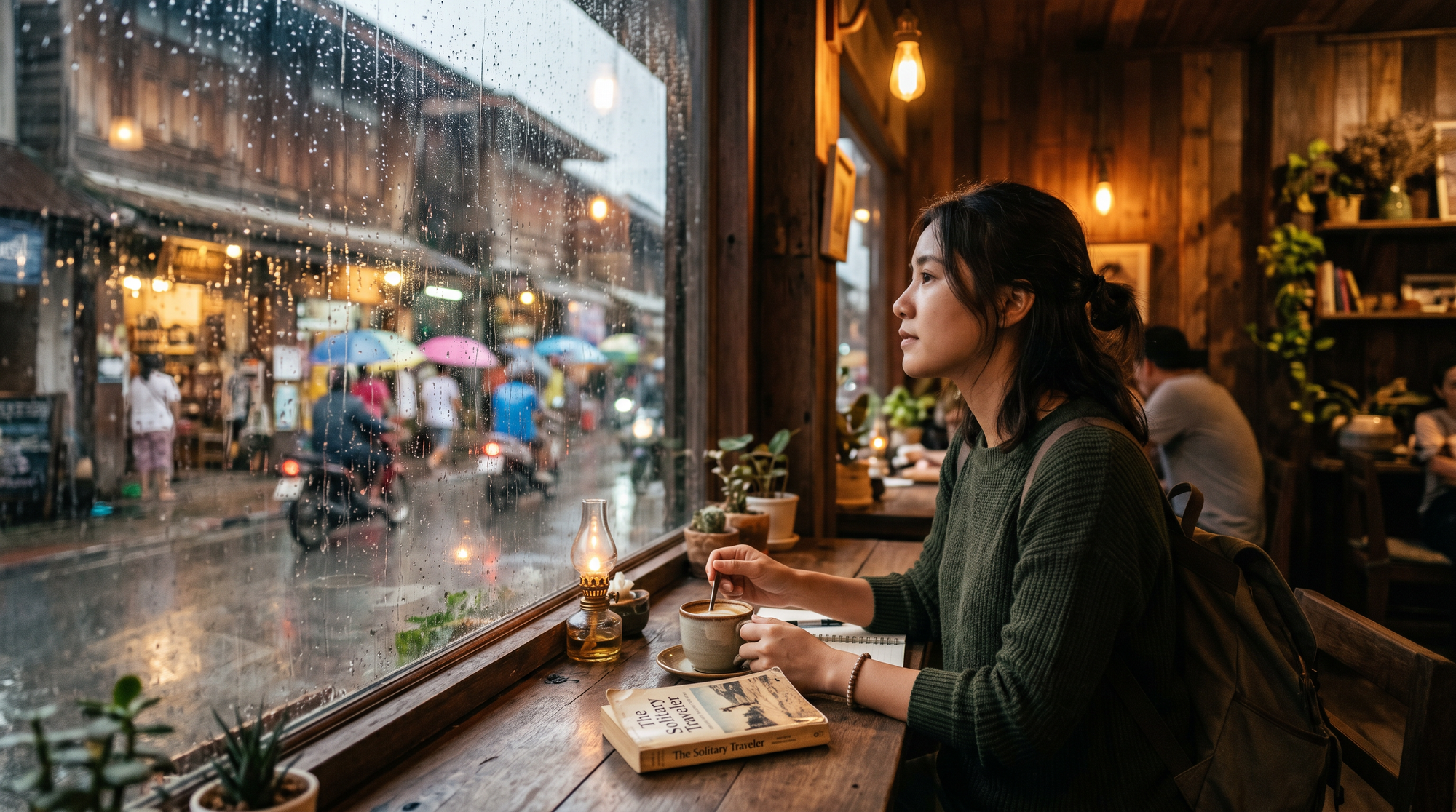
The rain arrives the same way every afternoon during the green season. The sky darkens quickly. The temperature drops several degrees in ten minutes. Then it comes down hard and fast, hammering the tin roofs and turning the streets into shallow rivers. It lasts between thirty minutes and two hours. Then it stops, the air smells clean and cool, and everything goes back to being Chiang Mai.
The rain often comes in short, refreshing bursts rather than all-day drizzles, so plans are rarely impacted for long. Most visitors who come during the rainy season, which runs from June to October, end up having a better time than they expected. The city is greener. The crowds are thinner. The prices are lower. And the rain, if you know what to do with it, is not a problem at all.
The Rainy Season Is Not What You Think
Temperatures hover around 24 to 32 degrees Celsius during the rainy season, with high humidity and rain showers that are often heavy but brief. Despite the rain, there are still many dry periods allowing for outdoor activities.
The rhythm of a rainy season day in Chiang Mai is predictable enough to plan around. Mornings are typically dry and cooler than during the hot season. The rain tends to arrive in the early to mid afternoon and clear by evening. This means temple visits, market mornings, and café hours work exactly as they do during the dry season. The afternoon slot, which in the hot season is too warm for anything anyway, fills with indoor activities that are worth doing regardless of the weather.
The waterfalls around Chiang Mai are fantastic between August and October. They take a lot of water through the gorges, creating spectacular falls you simply do not see in the dry season.
What follows is not a consolation list. These are things worth doing in Chiang Mai whether it rains or not.
Make Something
The workshops that have made Chiang Mai one of the most creative cities in Southeast Asia do not close when it rains. If anything, they are more enjoyable when the sound of rain on the roof becomes part of the atmosphere.
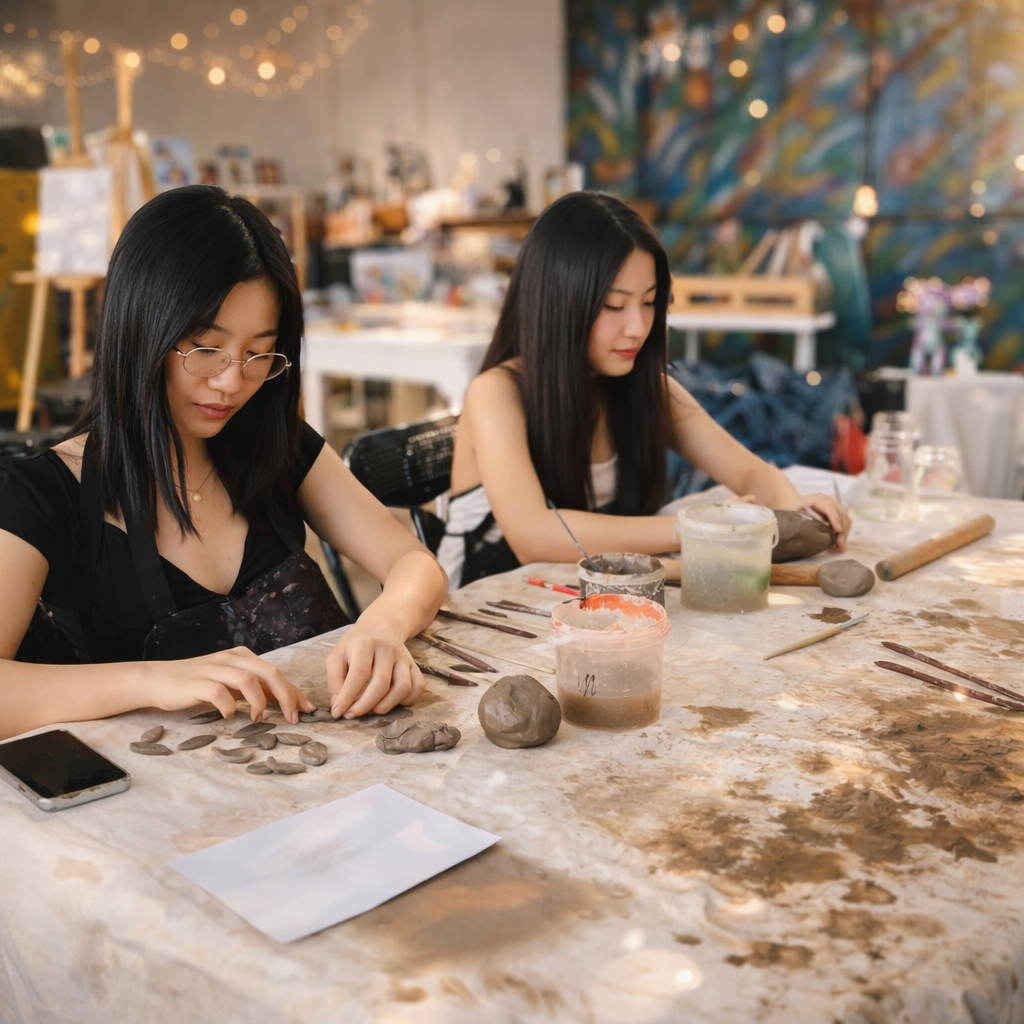
The creative clay and canvas workshops, where you spend an afternoon working with paint or clay or fabric in a studio setting, were designed for exactly this kind of afternoon. The rain outside, the materials in front of you, the particular quality of attention that comes from having nowhere else to be. The creative clay painting workshop and the canvas art experience take between 90 minutes and two hours and produce something you can carry home.
The soap making workshops are similarly suited to a rainy afternoon, when the smell of essential oils and botanicals fills a warm room while the weather does what it wants outside. The melt and pour soap session takes 90 minutes and requires no experience.
The tufting workshops are perhaps the most rainy-day-specific of all the creative options. Something about the rhythmic sound of the tufting gun, the warmth of the studio, and the slow appearance of a pattern in wool feels exactly right on an afternoon when the rain is doing its thing outside.
Get a Proper Massage
This is not a backup plan. It is the main event.
Chiang Mai has one of the highest concentrations of traditional massage practitioners in Thailand, and the quality of a genuine Thai massage here, done by someone who has studied the practice properly rather than picked it up for tourist purposes, is something that is hard to find anywhere else.
There is truly no better feeling than being warm, dry, and cozy inside a peaceful sanctuary while the rain gently patters outside. The cool, damp air makes the warmth of a massage room feel even more comforting. A rainy day is the perfect excuse to go beyond a standard one-hour session.
The difference between a 250 baht walk-in Thai massage and a two-hour treatment at a genuine wellness centre is the difference between a snack and a meal. Both have their place. But if the rain is going to last the afternoon, the longer option is worth it.
The integrated herbal wellness workshop combines making a herbal tea blend, a traditional yadom inhaler, and a herbal massage ball, a three-hour session that is one of the most satisfying ways to spend a wet afternoon in the city.
Explore the Museums

Chiang Mai has several genuinely good museums that most visitors walk past on the way to the temples.
The Lanna Folklife Museum, housed in a colonial-era courthouse near the Three Kings Monument in the old city, covers the daily life, material culture, and traditions of the northern Thai people in a way that rewards slow attention. The exhibits on weaving, agriculture, and spiritual practice provide context for everything you see walking around the old city. Entrance is very low cost and the building itself is beautiful.
The MAIIAM Contemporary Art Museum, about fifteen minutes from the old city, is one of the most significant contemporary art institutions in Southeast Asia, showing Thai and regional artists in a converted tin warehouse that is architecturally interesting in its own right. The permanent collection includes major works from the last thirty years of Thai contemporary art. On a rainy afternoon, when the natural light through the skylights changes with the clouds, it is a particularly good place to be.
You can explore the city's rich history at the Chiang Mai National Museum or admire art at MAIIAM. Cooking classes are also popular, while Muay Thai matches are a lively way to experience Thai culture.
Khao Soi and Café Culture
Rain is an excellent excuse to do what Chiang Mai is genuinely one of the best cities in the world for : sitting in a café for longer than is strictly necessary.
The café culture in Chiang Mai, particularly around the Nimman neighbourhood and the lanes of the old city, is among the most developed in Southeast Asia. The combination of good locally grown coffee, comfortable spaces, decent food, and reliable wifi means that a rainy afternoon in a Chiang Mai café is productive in a way that rainy afternoons in other cities are not.
There is no better feeling than finding a comfortable armchair in a quiet, cozy café, ordering a cup of rich, locally grown coffee, and watching the rain fall outside. A rainy day gives you permission to do what you might otherwise feel too busy for on your trip: to simply sit still.
Before or after the café, the rain is also the right weather for a bowl of khao soi, the coconut curry noodle soup that is specific to northern Thailand. The combination of the warm broth, the crispy egg noodles on top, and the pickled mustard greens is one of those flavour combinations that is genuinely better when the weather is cool and wet. The old city has several good versions. The best ones tend to be in smaller shophouses rather than the restaurants that have menus in multiple languages.
Warorot Market
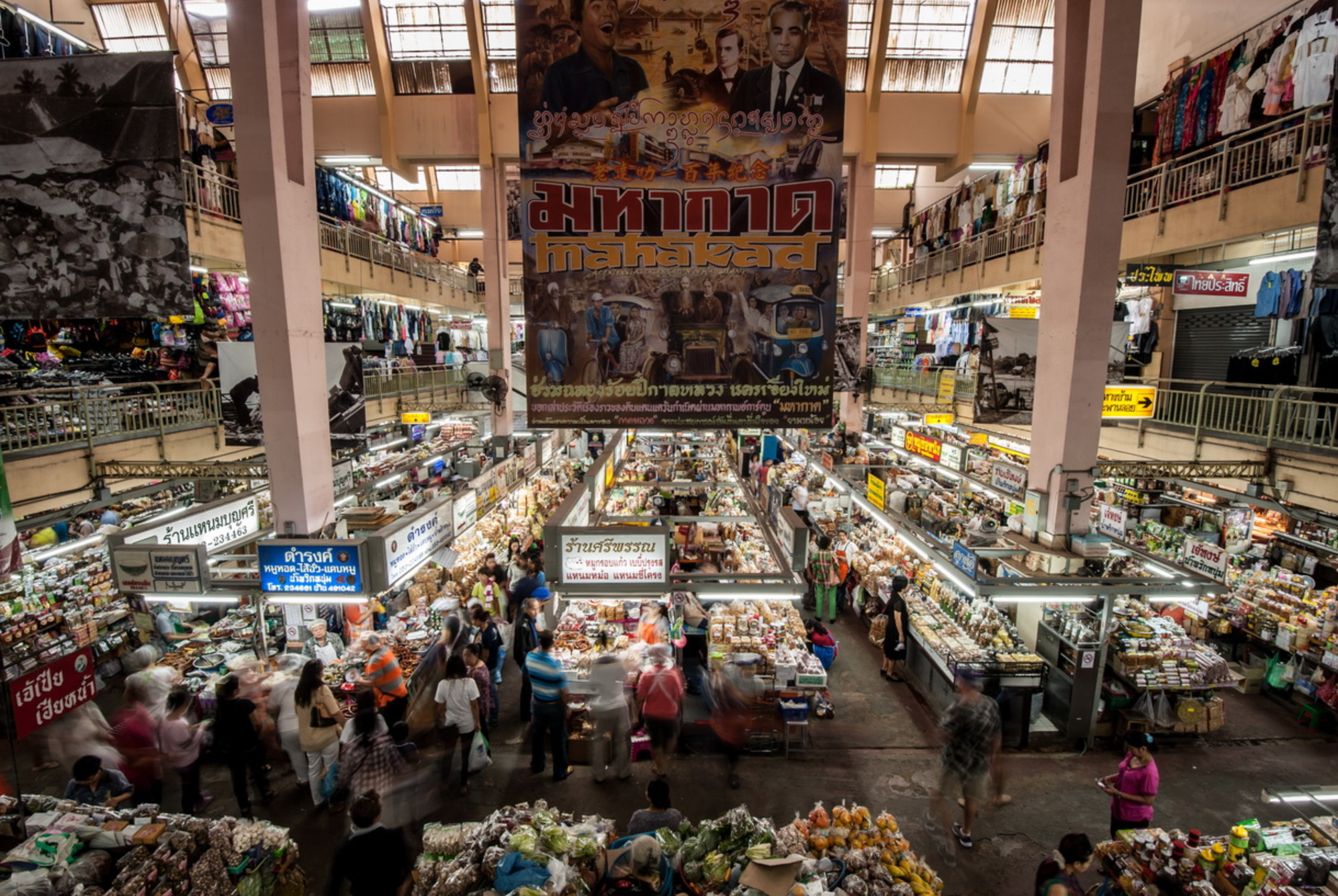
Warorot Market, known locally as Kad Luang or the big market, is almost entirely covered and has been operating in the same location near the Ping River since 1910. It is where Chiang Mai's residents actually shop, which means the products, the prices, and the atmosphere are entirely different from the tourist-oriented markets that dominate most visitors' experience.
The ground floor sells produce, fresh herbs, dried spices, northern Thai specialities, and the kinds of things that you cannot buy anywhere outside the north. The upper floors have fabric, clothing, household goods, and crafts at prices that reflect what they actually cost rather than what a tourist might pay.
On a rainy afternoon, when the outdoor markets are wet and the night bazaar has not yet opened, Warorot gives you several hours of genuinely interesting wandering without requiring an umbrella.
A Muay Thai Evening
The rain usually clears by early evening, which makes Muay Thai a natural end to an indoor afternoon. The stadiums in Chiang Mai, particularly Kawila Boxing Stadium, host regular evenings of fights between regional practitioners.
Muay Thai matches are a lively way to experience Thai culture. With fights held indoors, the rain does not dampen the excitement.
Thai boxing as a sporting tradition is several centuries old and remains one of the most technically sophisticated combat sports in the world. Watching a genuinely competitive Muay Thai bout, as opposed to the tourist-oriented shows that stage fights for entertainment value rather than competitive merit, is an experience that has nothing to do with the weather and everything to do with understanding something real about Thai culture.
FAQ
When is the rainy season in Chiang Mai ? June to October, with the heaviest rainfall typically in August and September. The pattern is usually: dry mornings, rain in the early to mid afternoon, clearing by early evening. Most days offer several hours of good weather.
Is it worth visiting Chiang Mai during the rainy season ? Yes. The city is greener, cooler, less crowded, and noticeably cheaper than during the November to February high season. The waterfalls are at their most impressive. The main limitation is that trekking routes become muddy and some outdoor activities are more challenging.
What should I bring to Chiang Mai during the rainy season ? A lightweight rain jacket or poncho that folds into a bag. Waterproof sandals or shoes that dry quickly. A dry bag for electronics. Insect repellent. Everything else is available to buy cheaply in the city if needed.
Are the workshops and indoor activities available year-round ? Yes. The creative workshops, massage centres, and museums operate regardless of season. During the rainy season they tend to be less crowded, which makes booking easier and the experience more personal.
What is the best part of visiting Chiang Mai in the rainy season ? The light. After the rain stops, the air is clean, the mountains are visible, and everything green is more vivid than at any other time of year. The hour after an afternoon downpour, when the streets are wet and the temperature has dropped and the sky is doing something dramatic above the old city walls, is one of the most beautiful things Chiang Mai regularly produces.